Sensory Overload Nausea and Peristalsis Level Strategies
Hold your lane when color and walls start lying to you.
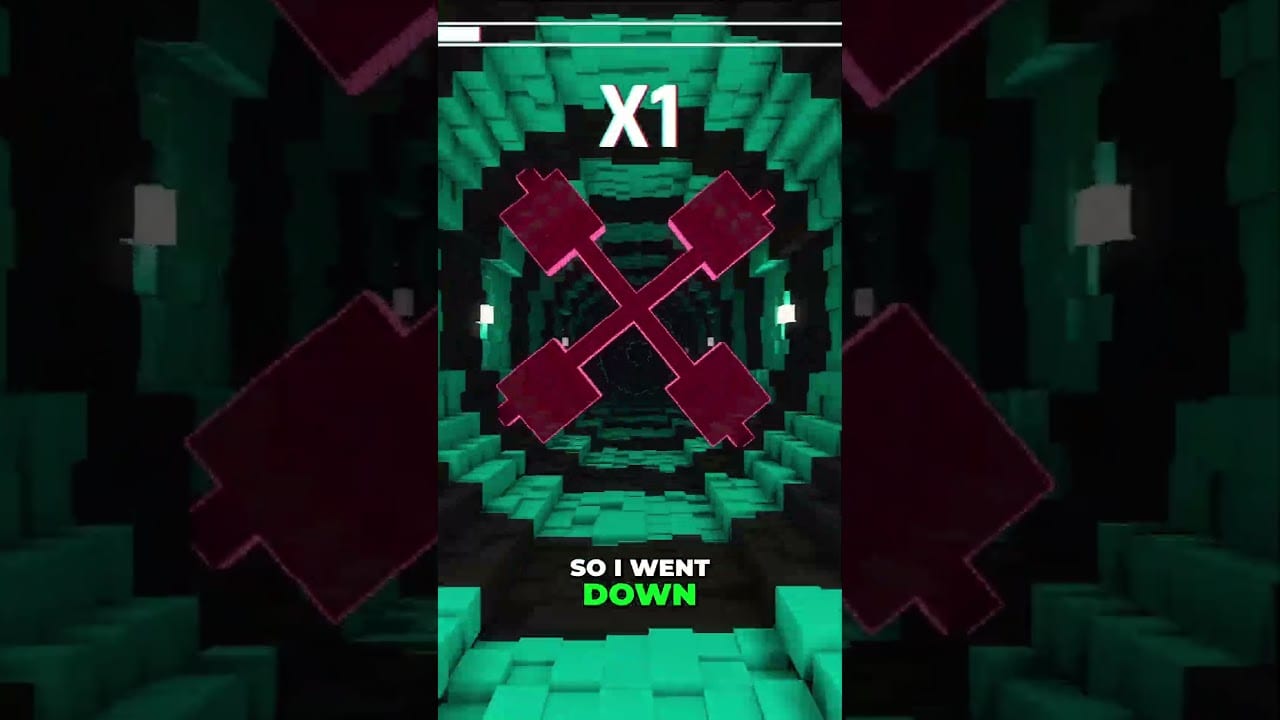
After Vertigo teaches spin, Sensory Overload raises the cognitive tax. Nausea attacks with pulsing color waves that camouflage edges. Peristalsis adds breathing walls that shrink and expand like a living throat. This combined guide covers both mid-tier gimmicks because players usually meet them as a paired skill jump.
Prerequisites: Vertigo literacy and How to Play tap discipline. Comfort backup: Motion Sickness Tips.
Nausea — color as an enemy
Background palettes cycle through high-contrast combinations. Obstacle silhouettes can briefly blend into a transition. If your anchoring strategy is “watch the pretty tunnel,” you will eat a block that was always there.
Nausea tactics
- Memorize that the cycle exists so transitions stop surprising you
- Anchor on obstacle shapes, not background hue
- Expect camouflage when a color flip coincides with an edge
- Keep peripheral scanning even when colors feel loud
- Lower audio slightly if the music stinger plus hue flip stacked overload
Peristalsis — walls that swallow
Walls contract and expand rhythmically. Gaps hit minimum width at peak compression. Players who move late into a shrinking gate clip the wall and blame “gotcha” design. The tell is usually visible a beat early.
Peristalsis tactics
- Anticipate: begin centering toward the gap during expansion
- Learn a multi-beat breath cycle — community guides often describe expansion and contraction phases you can feel
- Hold position during the meanest compression instead of fidget-strafing
- Use fast-fall to commit through vertical squeezes before they close
- Match your breathing to the wall to reduce vestibular panic
Combined mid-tier training plan
- Warm up with clean Vertigo taps
- Play Nausea with a “shape only” mantra
- Play Peristalsis with a “move on expansion” mantra
- Alternate until you can name which gimmick killed you
- Only then stack them under fatigue
Ranked crossover
In Ranked Mode, color and breathing can appear before your ego is ready. If a Ranked death looks like camouflage clipping, practice Nausea in Normal. If it looks like compression clipping, practice Peristalsis fast-fall windows. Do not anonymize the failure.
Comfort spikes
Color strobing and breathing together are a nausea factory. Use monocular viewing, brighter rooms, and hard session caps. Switch to Zen to rehearse without leaderboard adrenaline. If symptoms linger, stop — read Levels Hub theory instead.
Sibling links
- Earlier: Vertigo
- Later: Apocalypse
- Ranking context: Difficulty Tier List
- Mode choice: Normal vs Ranked
Checkpoint checklist
- I can explain a Nausea death in one sentence
- I can explain a Peristalsis death in one sentence
- I used fast-fall intentionally at least three times
- I took a break before my hands got cold or sweaty
Mid levels are where Sensory Overload stops being a cute dropper clip and becomes a perception sport. Clear them with vocabulary, not vibes.
Separating the two mid bosses
Play a night that forbids Peristalsis focus — only Nausea color narratives allowed in your notes. Next night invert the rule. Mixed notes create mixed drills. When both layers appear together later, you will still benefit from having isolated them.
For breathing walls, practice entering the gap early enough that you can afford to hold still during peak compression. Fidgeting inside the throat is a popular way to convert a survivable squeeze into a sideways clip.
Cross-check comfort tools on Accessibility Settings before long color blocks, and isolate stubborn gates in Practice Mode.
Frequently Asked Questions
Quick answers for demo and launch questions.
What is the difference between Nausea and Peristalsis?
Nausea emphasizes disorienting color cycling; Peristalsis emphasizes rhythmic wall compression. Both punish late reads.
When should I fast-fall?
During known compression windows and tight vertical gaps — not as a constant default.
Why do colors make me miss obvious gaps?
Transitions can camouflage edges. Anchor on silhouette shapes and keep peripheral tracking.