Sensory Overload Zen Mode Guide
Practice the tunnel without the leaderboard voice in your head.
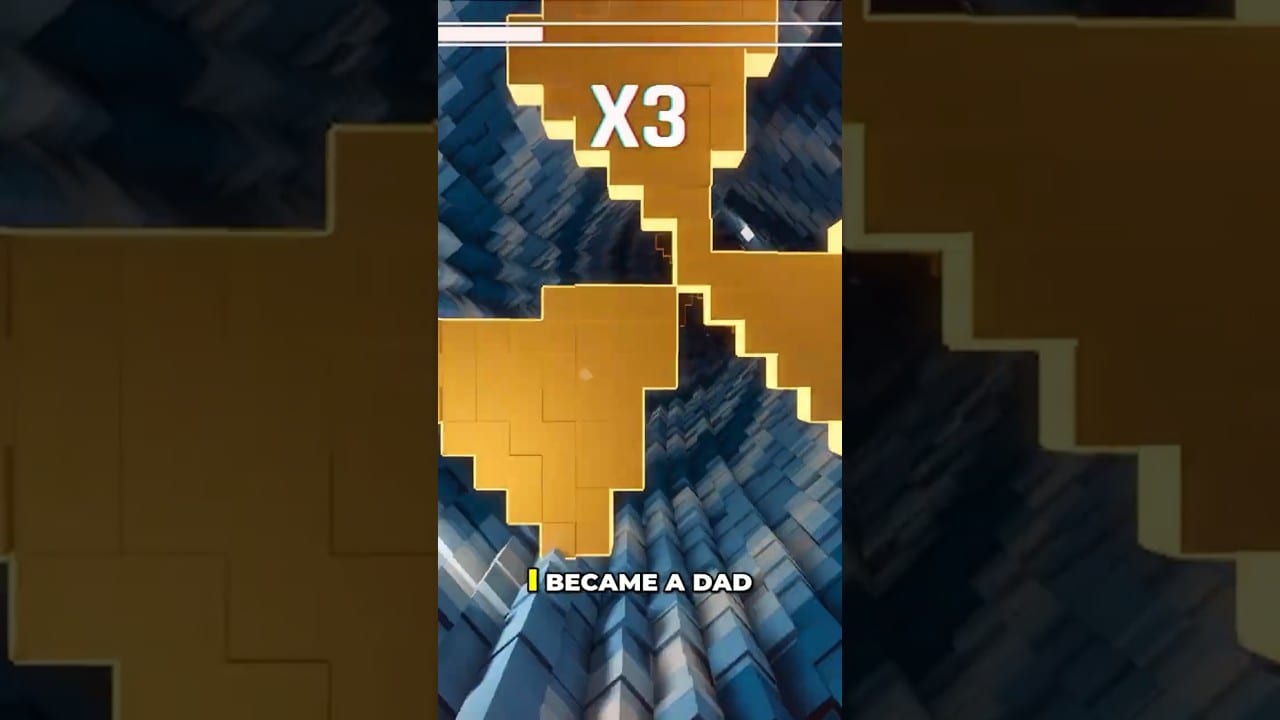
Zen Mode exists because Sensory Overload understood its own poison. When score, leaderboards, and escalation adrenaline stack on top of breathing walls, some players stop learning. Zen keeps the audiovisual thesis but removes the grading rubric so you can rehearse perception.
Best uses for Zen
- Relearn edge tracking after a tilt spiral
- Practice Peristalsis breath timing without PB anxiety
- Adapt to motion in shorter, kinder loops
- Isolate one habit (tap budget, no-jump challenge, shape anchoring)
What Zen is not
Zen is not guaranteed comfort mode. The tunnel can still spin your stomach. You still need Motion Sickness Tips and the Comfort Checklist. Think “lower ego,” not “zero stimulus.”
Suggested Zen drills
- Narration run: speak edge motion aloud.
- Tap-only run: break the rule and you restart.
- Expansion-only movement on breathing walls.
- One-eye intervals for strobe sensitivity tests.
- Stop on first nausea signal — success includes quitting correctly.
Bridging back to Normal and Ranked
When a drill feels calm, port it to Normal. When Normal feels calm, take a measured Ranked block. If Ranked reintroduces panic, return to Zen without shame. Mode fluidity is mastery, not cowardice.
Level pairings
- Vertigo literacy: Vertigo
- Color anchors: Nausea & Peristalsis
- Stacked exposure: light Apocalypse bursts only after drills
Zen is the practice room behind the viral stage. Use it, especially in the chaotic weeks around the August 20, 2026 launch when social pressure peaks.
Zen prompts that keep sessions honest
Write a single prompt on a sticky: “Tonight I only study expansion timing.” If you catch yourself chasing an accidental PB feeling, laugh and return to the prompt. Zen fails when it becomes stealth Ranked. Keep the grading rubric offline.
When Zen is the correct competitive choice
Zen is not only for beginners. It is for nights when score ghosts would poison learning. Use Zen to rehearse edge reads, breathing-wall commits, and mouse flicks without leaderboard shame.
Zen + Accessibility
Zen pairs cleanly with speed-line removal and thicker outlines. A/B one toggle per Zen block so you know what actually helped (Accessibility Settings).
Zen → Normal → Ranked bridge
- Zen rehearsal of the scary segment
- Optional Practice Mode checkpoint microscope
- Normal validation
- Short Ranked only if comfort is green
Zen myths
- “Zen means the game is easy.” Visual intensity can still overwhelm.
- “Zen is cheating before Ranked.” Rehearsal is not cheating; cold Ranked is often self-sabotage.
- “I can Zen for three hours.” Comfort timers still apply (Comfort Checklist).
Zen keeps the tunnel as a teacher when ego would make it a bully. Use it on purpose.
Zen drills that transfer
- Edge-only tracking for two minutes with minimal movement
- Expansion-only breathing walls without score checking
- Mouse flick lanes with accessibility outlines on, then off
- Full Vertigo route at conversational breathing pace
Write what transferred. If nothing transferred, Zen became avoidance — return to Practice Mode with a named gate. Zen is rehearsal with kindness, not permanent exile from challenge.
Keep Zen sessions intentional and finite. When the scary segment feels readable, leave Zen the same day — do not wait for a mythical perfect calm that never arrives.
Zen ends when learning resumes under light pressure — usually Normal next. Stay deliberate. Always.
Frequently Asked Questions
Quick answers for demo and launch questions.
Does Zen disable visual effects?
Treat it primarily as a pressure/score relief mode. Visual intensity can remain challenging.
Should competitive players ignore Zen?
No. Even grinders need a place to repair habits without PB ghosts.
Can Zen help motion sickness?
It can help by reducing adrenaline, but you still need breaks, lighting, and session caps.