How to Beat Vertigo in Sensory Overload
Make the spinning tunnel readable before harder layers arrive.
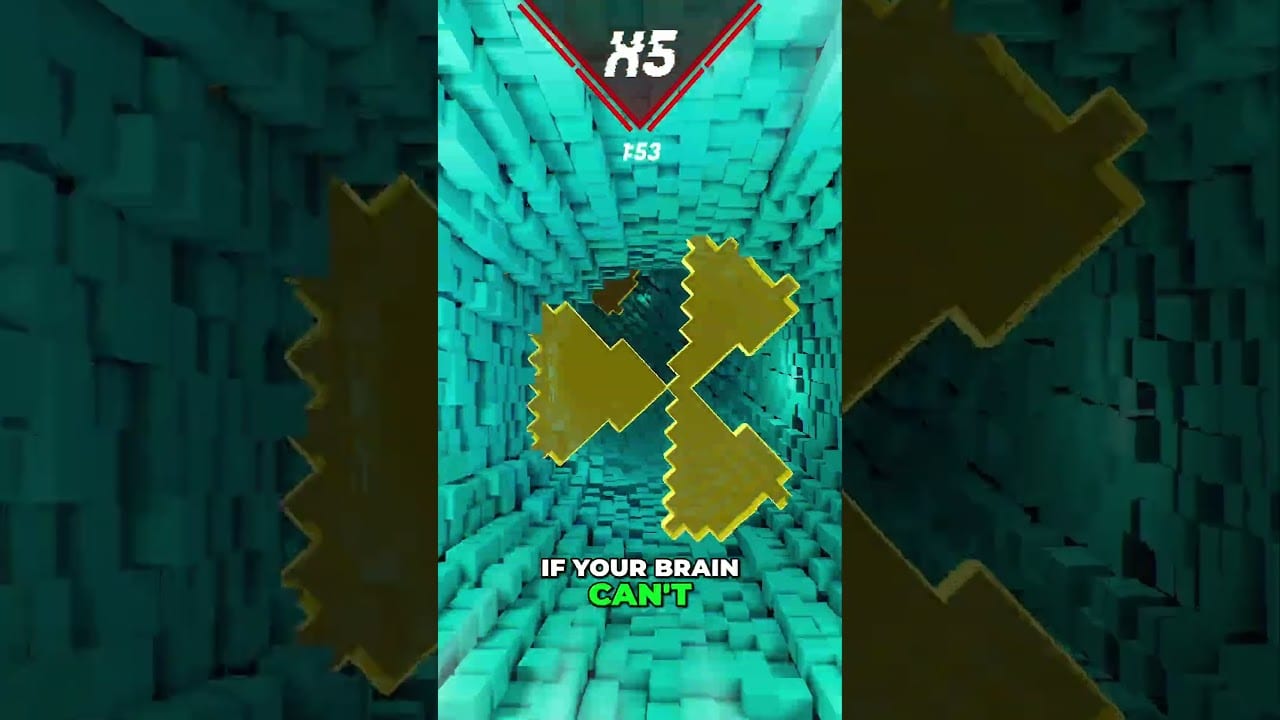
Vertigo is the classroom level of Sensory Overload. The corridor rotates, obstacles arrive with relatively honest spacing, and your job is to prove you can move without fighting the spin. Players who skip Vertigo literacy crash harder on Nausea and Peristalsis because they never built the visual grammar.
Pair this page with How to Play and Controls. After Vertigo feels intentional, continue to Nausea & Peristalsis.
Vertigo gimmick
The tunnel rotates at a moderate introductory rate. Blocks are simpler and spaced to teach timing. The trap is psychological: rotation invites over-correction. Your inner ear wants a big counter-steer; the correct answer is usually a tiny tap.
Win conditions for practice
You are “done” with Vertigo basics when you can:
- Track wall edges instead of the center vanishing point
- Survive using short taps for an entire calm attempt
- Count a repeating beat between early obstacles
- Recover to center lane after each dodge
- Stop a session before nausea without tilt
Drills
Edge-only drill. On a throwaway run, narrate out loud what the left and right edges are doing. No hero plays.
Tap budget drill. Allow yourself a maximum number of held-strafe frames — ideally zero. Restart if you break the rule.
Beat drill. Nod to the spacing. Move on the nod, not on the panic.
Fast-fall intro. Only after taps stabilize, practice holding down through a known vertical gap.
Deaths that still teach
- Death while holding A/D: you are sliding, not placing.
- Death right after a successful dodge: you failed to recenter.
- Death during a “easy” gap: you looked at the center and lost edge info.
- Death after a jump: you introduced vertical complexity you did not need.
Comfort notes specific to Vertigo
Even “easy” spin can upset stomachs. Use room lighting, posture, and breaks from Motion Sickness Tips. Closing one eye helps some players even here. If Vertigo alone is intolerable, play shorter, try Zen, or step away — do not leap into Ranked as a macho test.
How Vertigo feeds Ranked
Ranked openings often feel like Vertigo plus impatience. If your Ranked phase-one deaths look identical to Vertigo held-strafe deaths, you do not have a Ranked problem — you have a fundamentals problem. Revisit Ranked Mode only after clean Vertigo blocks.
Sibling level links
- Next visual layer: Nausea & Peristalsis
- Stacked chaos later: Apocalypse
- Comparative ranking: Difficulty Tier List
- Hub navigation: Levels Hub
Session template (25 minutes)
- 3 minutes comfort setup (Comfort Checklist)
- 7 minutes observation runs
- 10 minutes tap-budget runs
- 5 minutes notes + optional Getting Started reread
Vertigo is not a gate to shame you. It is the language primer. Fluency here makes every later tunnel less mystical and more mechanical.
Vertigo laboratory metrics
Track average survival across ten calm attempts, not best attempt. Best attempt is a lottery ticket. Average reveals whether taps are actually shorter. Also track how often you recenter after a dodge. A high dodge count with low recenter count predicts “mystery” deaths two gates later.
If rotation still hypnotizes you, literally point your finger at the left edge during a pause replay in your mind. Embodied attention transfers back into the next live run more than abstract advice does.
Frequently Asked Questions
Quick answers for demo and launch questions.
Why do I still die on Vertigo if it is the easy level?
Usually held movement and center staring. Relearn short taps and edge tracking before blaming speed.
Should I use jump a lot on Vertigo?
No. Jump sparingly. Most early gaps want lateral taps and occasional fast-fall.
When do I move on from Vertigo?
When clean taps and edge reads feel boring — that boredom is readiness.